Fire Alarm System Maintenance Denver: What Industrial Sites Need That Standard Office Spaces May Not
When people talk about fire alarm system maintenance Denver facilities need, they often picture a fairly typical office building. A panel in an electrical room, pull stations by exits, horns and strobes throughout the suite, annual testing, paperwork in a binder, done.
Industrial properties rarely stay that simple.
The basic purpose is the same, life safety first, property protection close behind, code compliance always in the background. But the maintenance approach that works in a straightforward office environment can come up short at a plant, warehouse, fabrication shop, or mixed-use industrial building with changing production lines and support spaces. The difference is not just square footage. It is system complexity, connected equipment, operational risk, and the reality that one disabled device can affect far more than a quiet office floor.
Around the Denver metro area, that matters because local projects and ongoing building compliance sit inside a real code and enforcement framework. Denver adopts the International Code Council building and fire code suite with local amendments. Denver’s Fire Prevention Division has authority to inspect buildings, equipment, and life safety systems, and it can investigate disabled or nonfunctioning fire protection systems. That means maintenance is not just a best practice. It is part of keeping a facility ready for day-to-day operation, permit review, and the next fire marshal inspection Colorado owners hope goes smoothly.
The gap between “installed” and “ready”
A fire alarm system that was properly installed years ago can still become unreliable if the site changes around it. That is true in any building, but industrial sites change faster and more unevenly than standard offices.
In an office, walls move occasionally, tenants churn, and a conference room becomes a break room. In an industrial building, a storage area may turn into a packaging line, a utility room may serve new equipment, and a once-open floor can fill with racks, machines, partitions, or temporary enclosures. Even if none of those changes sound dramatic on paper, they can affect how a fire alarm system performs, how visible and audible notification appliances remain, and whether related systems still coordinate the way they should.
That last point is where industrial maintenance often becomes more demanding. Fire alarms do not live alone. They frequently interact with commercial fire sprinkler systems Colorado owners depend on, and the surrounding maintenance program may also include fire suppression system inspection Denver facilities schedule for other protection equipment, plus fire pump testing Colorado requirements where pumps are present, plus backflow preventer testing Denver building owners already know can be part of the broader water-based protection picture.
NFPA 72 is the core standard for fire alarm systems, including installation as well as inspection, testing, maintenance, and emergency communications systems. For sprinkler systems, NFPA 13 covers design, installation, and acceptance testing. For ongoing water-based system inspection, testing, and maintenance, NFPA 25 is the governing framework. On an industrial site, those standards touch each other in practical ways. If one part of the protection package is impaired, the rest of the maintenance story changes too.
Why industrial sites usually demand more judgment
I have seen owners assume that a fire alarm is a fire alarm, no matter the building type. On paper, that sounds efficient. In practice, it can lead to shallow maintenance habits.
An office building often has predictable occupancy patterns and stable room use. An industrial facility may have more variable conditions. Doors stay open for workflow. Areas are noisier. Equipment may create more vibration, dust, or environmental wear. Portions of the building may be lightly occupied at one hour and active at another. Some spaces operate around shipping schedules rather than a clean nine-to-five rhythm.
You do not need dramatic assumptions to see the impact. Maintenance at an industrial property typically requires closer attention to what the system is supposed to trigger, supervise, or report, and whether those functions still line up with the current building conditions.
That is one reason a generic “we test once a year and move on” mindset tends to break down. Yes, periodic inspection and testing are essential, and the applicable standards drive that work. But industrial sites also need a sharper eye for deficiencies, impairments, and undocumented changes between formal service visits. NFPA guidance makes clear that findings, deficiencies, and impairments are a normal part of maintaining fire protection systems, and they need to be addressed under the applicable standard. In other words, discovering a problem is not unusual. Letting it sit without a clear response is the real failure.
Offices usually have simpler relationships between systems
A standard office build-out is not risk free, and no one should minimize it. But compared with an industrial property, the life safety ecosystem is often easier to follow.
The alarm panel supervises initiating devices and notification circuits. The sprinkler system may have monitoring points tied into the fire alarm. Extinguishers are serviced. Records are kept. If a tenant improvement changes walls or device locations, permits and review may be needed, then the work is inspected.
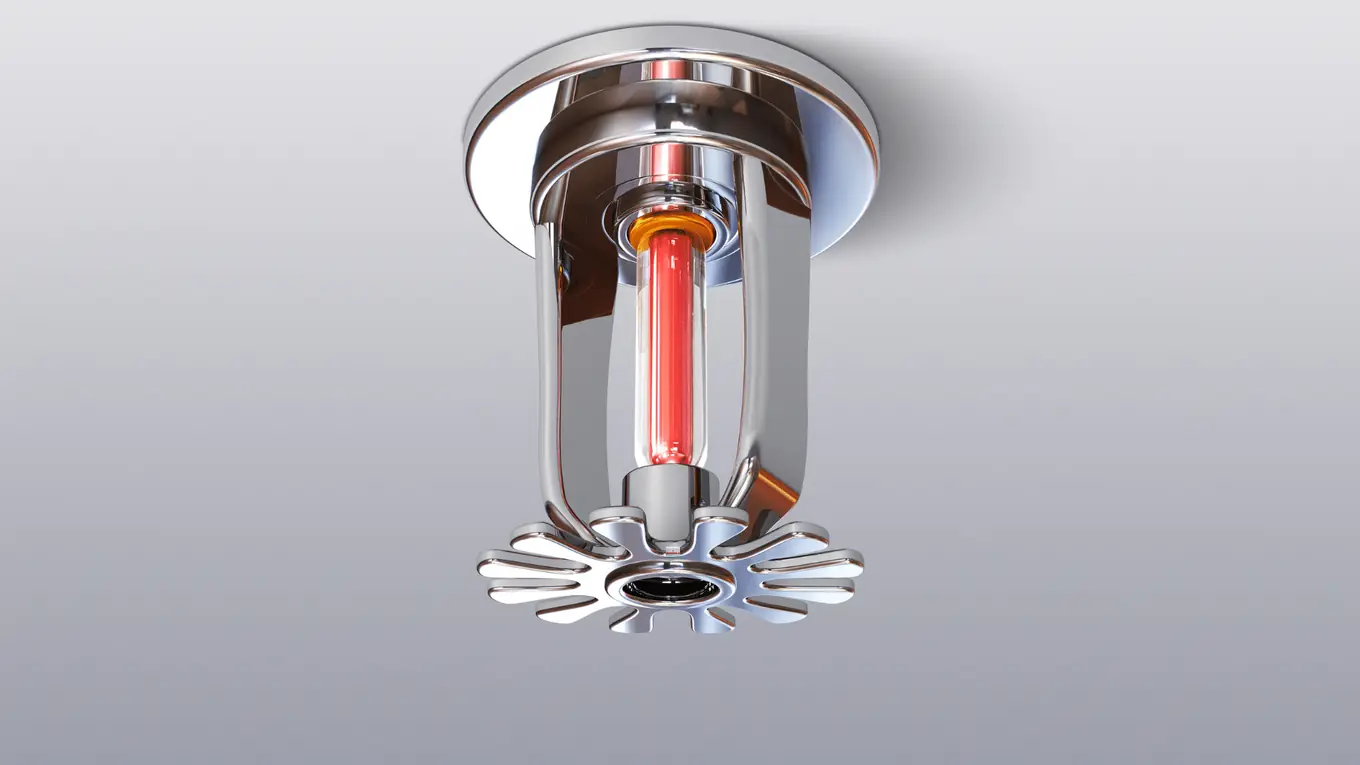
Industrial buildings may include all of that, plus more layered dependencies. A change in one area can ripple out. A water-based system impairment may affect alarm reporting or supervisory functions. A section of the building under construction may require temporary measures. An equipment relocation may trigger permit questions. A panel that was adequate before may become a candidate for a fire alarm panel upgrade Colorado owners had hoped to postpone.
This is where broad fire protection Denver metro planning matters more than people expect. The alarm contractor, sprinkler contractor, building owner, tenant, and authority having jurisdiction all have a role. NFPA describes the AHJ as the fire chief, fire marshal, building official, or similar official who enforces the code locally. If the site team is not aligned on what changed and what paperwork exists, even a well-meaning owner can walk into an avoidable compliance problem.
Maintenance at industrial sites is often tied to operational continuity
Office spaces care about uptime too, but industrial facilities usually feel it in a sharper way. If part of the fire protection system is impaired, the issue is not only code exposure. It can interrupt production, tenant operations, deliveries, or safety planning across a much larger footprint.
That is why maintenance conversations in industrial settings often need to happen before work starts, not after an alarm trouble condition appears. If a device must be taken out of service, if a panel needs replacement planning, or if connected equipment is being modified, the facility team should already be asking how the impairment will be managed, how records will be updated, and what local review may apply.
For Denver properties, that planning can intersect with permit obligations. Tenant finish and alteration permit materials show that plumbing, fire suppression, and fire alarm permits can be part of tenant improvement work. Denver code materials also show that fire alarm and sprinkler-related work is tied to permit review and inspection during construction and remodeling. That matters a lot in industrial buildings, where a “small” operational change can have bigger code consequences than it would in a basic office suite.
The hidden issue: industrial sites drift out of alignment faster
One of the most common maintenance problems is not dramatic equipment failure. It is drift.
A device is no longer in the ideal spot because the room changed use. Documentation no longer matches the field condition. An old deficiency report was never fully closed out. A sprinkler impairment happened months ago and the follow-up paperwork is hard to find. The site passed a prior inspection, so everyone assumes the system still reflects current reality.
Industrial buildings are more vulnerable to that drift because they are more likely to evolve in pieces. A loading area gets reworked. Storage patterns change. A utility upgrade happens under one contract, then an alarm modification happens later. A tenant requests a quick reconfiguration and the building team treats it like facilities work rather than life safety work.
That is where strong recordkeeping does real work. If the fire marshal or another AHJ asks for documentation, owners should be ready. In practice, that usually means keeping these items organized and easy to access:
- inspection and testing reports
- deficiency notices and records of corrective action
- impairment records, if systems were disabled or affected
- permit and inspection paperwork for fire alarm or suppression changes
- certifications or related compliance documents tied to the system
This sounds administrative, but on industrial sites it can save hours of confusion and prevent bad decisions during a shutdown, remodel, or inspection.
Fire alarm maintenance cannot be separated from water-based protection
A lot of owners split these conversations too cleanly. They think alarms belong to one vendor, sprinklers belong to another, and the overlap is someone else’s problem.
That approach is especially risky in industrial buildings.
NFPA 25 covers inspection, testing, and maintenance of water-based fire protection systems, including sprinkler systems, standpipe systems, fire pumps, and water storage tanks. NFPA guidance also says sprinkler and standpipe systems should be evaluated under NFPA 25, with compliance verified by the local enforcement agency. If your industrial facility has a fire pump, then fire pump testing Colorado obligations become part of the overall reliability picture. If there is a backflow assembly in the fire service path, backflow preventer testing Denver requirements are not just plumbing trivia, they can affect confidence in the water supply side of the protection system.
Why does that matter for alarms? Because the alarm system often monitors conditions tied to those systems. A trouble signal, supervisory condition, or impairment elsewhere in the protection package can change how the building team should respond. On a quiet office floor, that may be relatively easy to isolate. On an industrial site, where several systems support one another, weak coordination creates blind spots fast.
Permits and tenant work tend to hit industrial buildings harder
Tenant improvement fire protection Denver work is often discussed as if it belongs mostly to office interiors. In reality, industrial tenant improvements can be the more complicated case.
Denver permit materials make clear that fire alarm and fire suppression permits can be part of tenant finish and alteration work. In office settings, a tenant improvement might involve moving a few devices or adjusting a branch line layout. In an industrial setting, the same phrase can involve revised workflows, equipment clearance issues, operational phasing, or changes to how areas are separated and occupied.
The maintenance implication is straightforward. If a site has gone through remodels, phased occupancy changes, or repeated operational tweaks, do not assume the old maintenance scope still fits. A site may need a deeper review to confirm whether all modifications were properly documented, permitted where required, and integrated into the current inspection and testing program.
This is one place where owners often save money the wrong way. They treat maintenance as a commodity line item, then spend far more when a later renovation uncovers missing records or unsupported field conditions. A little discipline early beats a scramble in the middle of an inspection cycle every time.
What a smarter industrial maintenance conversation sounds like
The best maintenance programs ask better questions. Not more jargon, just better questions.
Before an industrial facility schedules work that could affect fire protection, it helps to clarify a short set of issues:
- what systems are connected or supervised through the fire alarm
- whether any current deficiencies or impairments remain unresolved
- whether recent space changes altered device coverage or notification effectiveness
- whether permit review is needed for the proposed work in Denver
- what records the owner will need to show the AHJ if asked
Those questions are simple, but they shift the conversation from “Can we get this tested next week?” to “Do we actually understand the current state of protection in this building?”
That shift is where industrial facilities separate themselves from office spaces. The sites that perform well during inspections, renovations, and unplanned events are usually not the ones with the fanciest systems. They are the ones with current documentation, realistic maintenance planning, and teams that understand how the alarm system fits into the broader emergency fire protection Colorado framework.
Deficiencies and impairments deserve immediate respect
The words deficiency and impairment get used casually, but they should not.
A deficiency may point to something that needs correction. An impairment means some part of the protection capability is reduced or unavailable. NFPA guidance recognizes both as part of the real maintenance landscape. Especially at industrial sites, neither should be treated like a paperwork nuisance.
Denver’s Fire Prevention Division is authorized to inspect life safety systems and investigate disabled or nonfunctioning fire protection systems. That should tell owners something important. A system problem is not only an internal maintenance issue. It can become an enforcement issue, too.
This is where experienced service partners earn their keep. Not by creating drama, but by helping owners distinguish between a minor documentation cleanup, a true performance concern, and a condition that needs immediate escalation. A friendly, practical contractor will explain the difference plainly and document it well.
It is also where related services matter. Fire extinguisher service Denver programs, sprinkler maintenance, alarm testing, and suppression inspections should not happen in separate silos if the site team can avoid it. The more interconnected the property, the more valuable it is to see the full protection picture.
Industrial environments often expose weak maintenance habits
There is a reason some buildings sail through routine review while others seem to rediscover the same problems every year. The building did not become difficult overnight. The maintenance culture allowed small gaps to pile up.
At industrial properties, those gaps usually show up as mismatched records, unclosed deficiencies, poorly coordinated shutdowns, and uncertainty about whether prior modifications were permitted and inspected. Standard office spaces can have the same issues, but industrial operations tend to reveal them faster because there is more moving around the system.
A practical example is a panel that is still functioning but no longer fits the building as it exists today. That does not automatically mean an immediate replacement is required, and it would be careless to claim otherwise without a real review. But it may mean the owner should start planning for a fire alarm panel upgrade Colorado project rather than waiting for a failure, a renovation conflict, or a difficult inspection to force the decision.
Denver owners do best when they treat maintenance as part of compliance, not separate from it
Some people separate maintenance from code, as if one is operational and the other is regulatory. In real facilities, especially industrial ones, they are intertwined.
Denver adopts model codes with local amendments. The AHJ enforces what applies locally. Alarm systems fall under the broader life safety environment described by NFPA 72. Water-based systems are maintained under NFPA 25, with sprinkler installation governed by NFPA 13. Tenant improvements can trigger permit review for fire alarm and fire suppression work. The Fire Prevention Division can inspect systems and investigate disabled or nonfunctioning protection.
That is the landscape owners are operating in.
So the right maintenance posture is not merely “keep the annual appointment on the calendar.” It is “keep the system reliable, keep records current, address deficiencies, document impairments properly, and make sure building changes do not outrun the life safety systems.”
For standard offices, that approach is wise. For industrial sites, it is essential.
The practical bottom line for industrial properties
If you manage or own an industrial building in the Denver area, the biggest mistake is assuming your fire alarm maintenance needs look like those of a conventional office just with more square footage. They do not.
Industrial sites usually need tighter coordination between alarm, sprinkler, pump, backflow, and suppression work. They need stronger documentation habits. They need https://denverfirealarms446.unionquill.com/posts/fire-alarm-and-fire-protection-acceptance-testing-in-denver-how-final-approval-typically-fits-into-a-project better awareness of when tenant improvements or operational changes affect fire code compliance Denver requirements. They often need more planning around impairments and a clearer understanding of what the fire marshal inspection Colorado process may focus on.
That does not mean every industrial facility needs a complete overhaul. It means the maintenance strategy should match the building you actually have, not the one shown on an old set of plans.
For many owners, that starts with a candid review of the current system, current records, and current use of the building. If those three things line up, you are already ahead of the pack. If they do not, the time to fix the gap is before the next shutdown, the next remodel, or the next call asking why a disabled condition was never resolved.
That is the heart of smart fire protection Denver metro management. Keep the systems maintained, keep the paperwork honest, and treat industrial complexity like the serious operating condition it is, not like an office template with a different address.